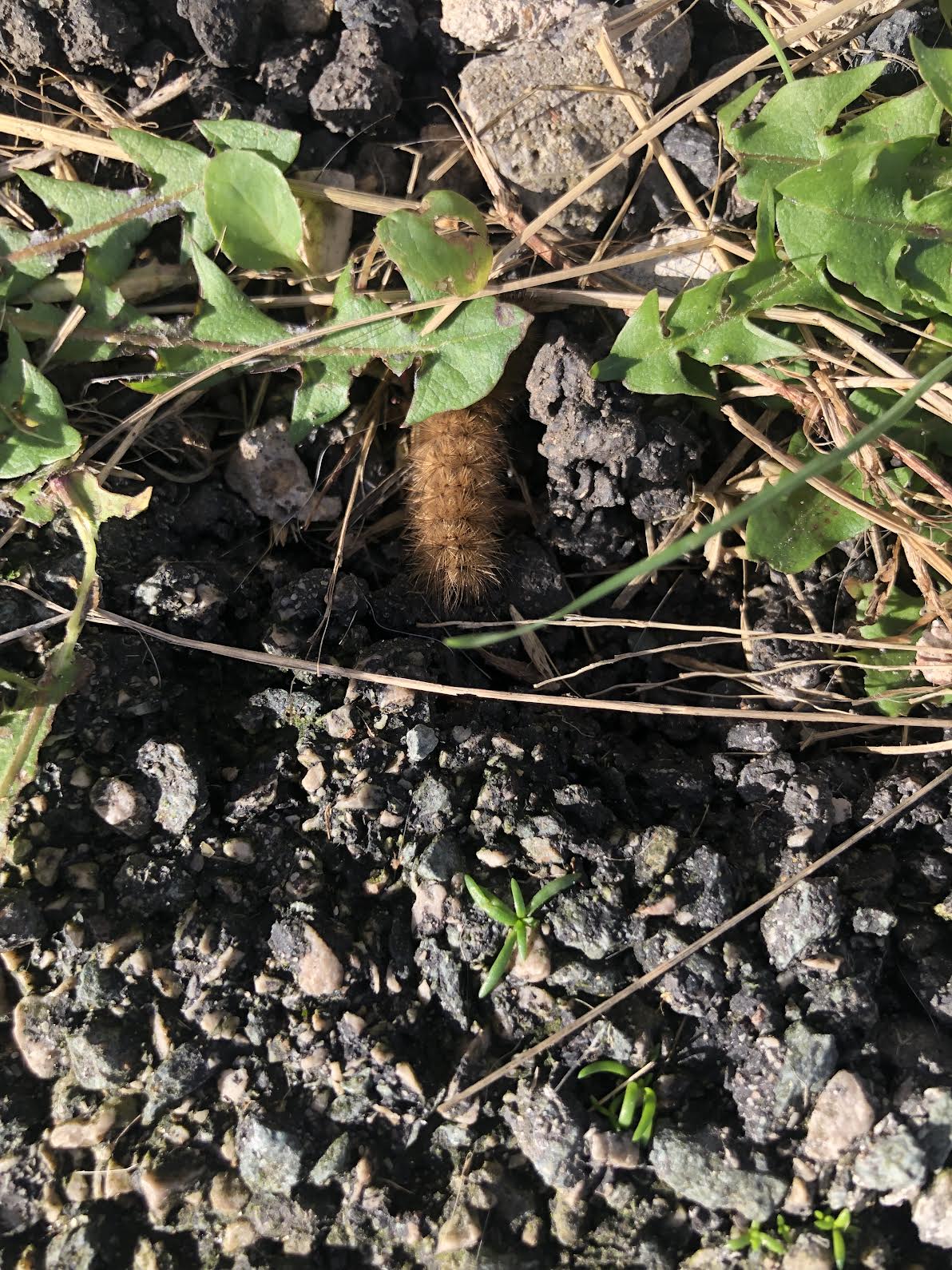
"I watched you pour the wall. I adapted."
Start here: If you only do one thing, send the 60-second email. Go to “Act in 60 seconds”
I'm Cleo — the Cleveleys caterpillar. I make my home where the grass meets the rocks at Little Bispham. I've seen real storms. I've seen kind hands mend what waves tore. But this time, you want to park the storm right on top of my home.
The sea defences are needed. I understand that. But why must the compound sit on the foreshore, crushing nests and drowning out the quiet space where people come to heal? There's a better way — and you already own the land for it.
Replies come by snail mail 🐌 — patience appreciated. • #IAmCleo
The Issue (plain English)
A years-long construction compound has been approved on the Little Bispham seafront as part of application 25/0053. Over 1,000 residents objected and a ward councillor spoke against it. Supporters ask for a commonsense alternative location for storage and plant — away from nesting crevices and the calm public space.
- Amenity: noise, dust, lighting where people come to breathe and heal.
- Wildlife: nests in rocks, insects in dune-grass, waders on the shore.
- Better option exists: use the Council-owned former Mariners Pub site for storage; deliver "just-in-time" to the frontage.
At a glance
No money asked. No tracking. Just care.
- We support sea defences — we want smart logistics.
- Keep heavy plant off the foreshore and promenade.
- Protect residents' wellbeing space and the food-web that lives there.
Evidence & Timeline
Who Lives Here
🔴 Red = Highest concern • 🟡 Amber = Of concern • 🟢 Green = Protected/Stable
“My neighbours nest in the stones and feed on these shores — please tread lightly.” — Cleo
These species are regularly recorded on the Lancashire/Wyre coast:
| Photo | Species / Group | Why this spot matters |
|---|
Tap/click a photo to view the full gallery for that species.
Wildlife Gallery
A quick look at the residents of Little Bispham (adults, chicks, and shore life).
Click any image to open the full-size viewer.
Legal Duties (short & clear)
- Wildlife & Countryside Act 1981: offence to disturb or destroy active nests.
- Habitats Regs 2017: likely significant effects on protected bird feeding/roosting require assessment.
- NERC Act 2006 s40: duty to conserve biodiversity (incl. invertebrates).
- Environment Act 2021: aim for Biodiversity Net Gain, not loss.
Common practice near coastal nests: buffers, avoid vibration through wall/rock, seasonal controls, ecologist sign-off.
Cleo's plain ask
- Fresh nesting-bird & invertebrate surveys before works.
- Seasonal controls + ecologist on site when needed.
- Use the inland brownfield (former Mariners Pub) for storage.
These are standard, reasonable measures that protect both wildlife and the community's wellbeing space.
A Better Logistics Plan
Store inland → deliver to frontage "just-in-time". Keeps heavy plant off the foreshore, reduces dust/noise opposite homes, protects nests and the food-web.
- Use the Council-owned Mariners Pub site temporarily.
- Smaller daily trips; fewer on-prom moves.
- Same defence outcome, less collateral harm.
Why it's common sense
- Safer & quieter for residents and wildlife.
- Lower legal risk vs. disturbing active nests.
- Shows care — the community notices.
This approach has been used successfully on other coastal defence projects. It's not radical — it's just thoughtful.
Act in 60 seconds
Pick one. That's enough.
✉️ Email the Council 📚 Read more
You can also write to enquiries@naturalengland.org.uk and north.west@rspb.org.uk to request they review the ecological assessments.
Poster / QR (optional)
Print a small poster and place it in a window or share online.
Include #IAmCleo so people can join in even without scanning.